
The Hollow Charities
The FallTraces Clamence's acts of public generosity and their hidden motives of vanity and self-aggrandizement.
increasing Bearing strength in each event
 decreasing
Bearing strength in each eventdecreasingHelping the Blind
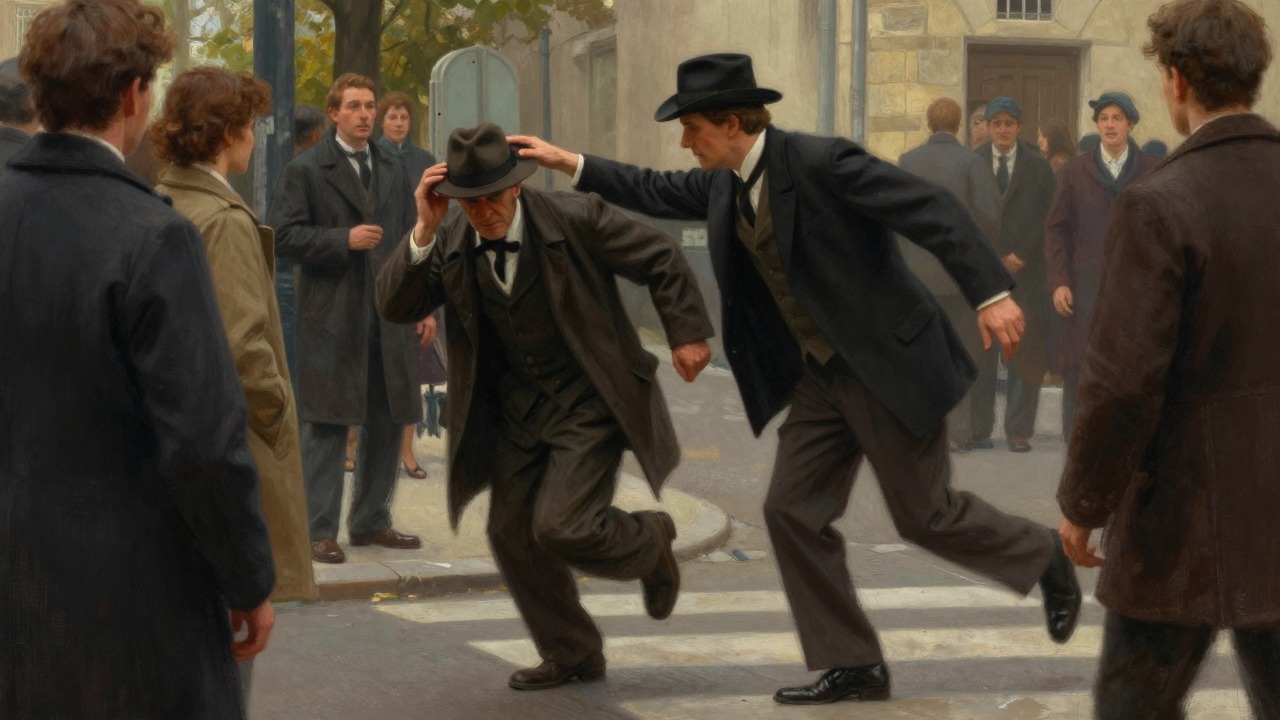
The choreographed kindness
A rush to assist
Clamence would rush to help blind people cross the street, often arriving before other charitable hands. He would lead them gently, then tip his hat to the public. The blind man couldn't see the gesture; it was for the audience.
The self-congratulation
This act gave him immense satisfaction. He felt he was proving his goodness. But later, he recognized that he was merely playing a role, seeking applause. The hat-tipping was a bow to the world, not a service to the blind.
The Concierge's Funeral
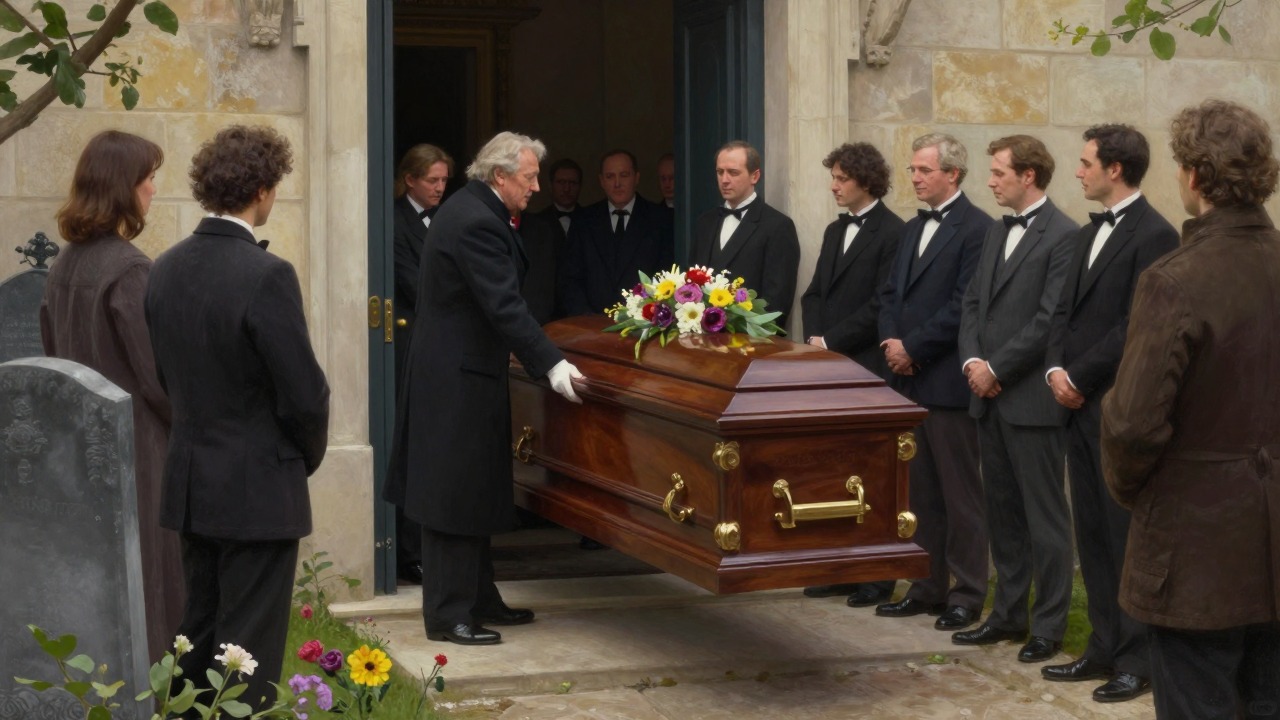
The spectacle of death
An unexpected attendance
Clamence attended the funeral of his concierge, a man he had detested. The building was abuzz with the drama. The coffin was too big for the door, and they got it through upright. Clamence was the only one to go to the cemetery and strew flowers on the luxury coffin.
The apéritif of tragedy
He later visited the widow to receive her thanks. He realized that he had done it for the emotional payoff, the apéritif of tragedy. The dead man was a pretext for his own self-importance. The whole episode revealed his need for transcendence through others' misfortunes.
The Lawyer's Clerk
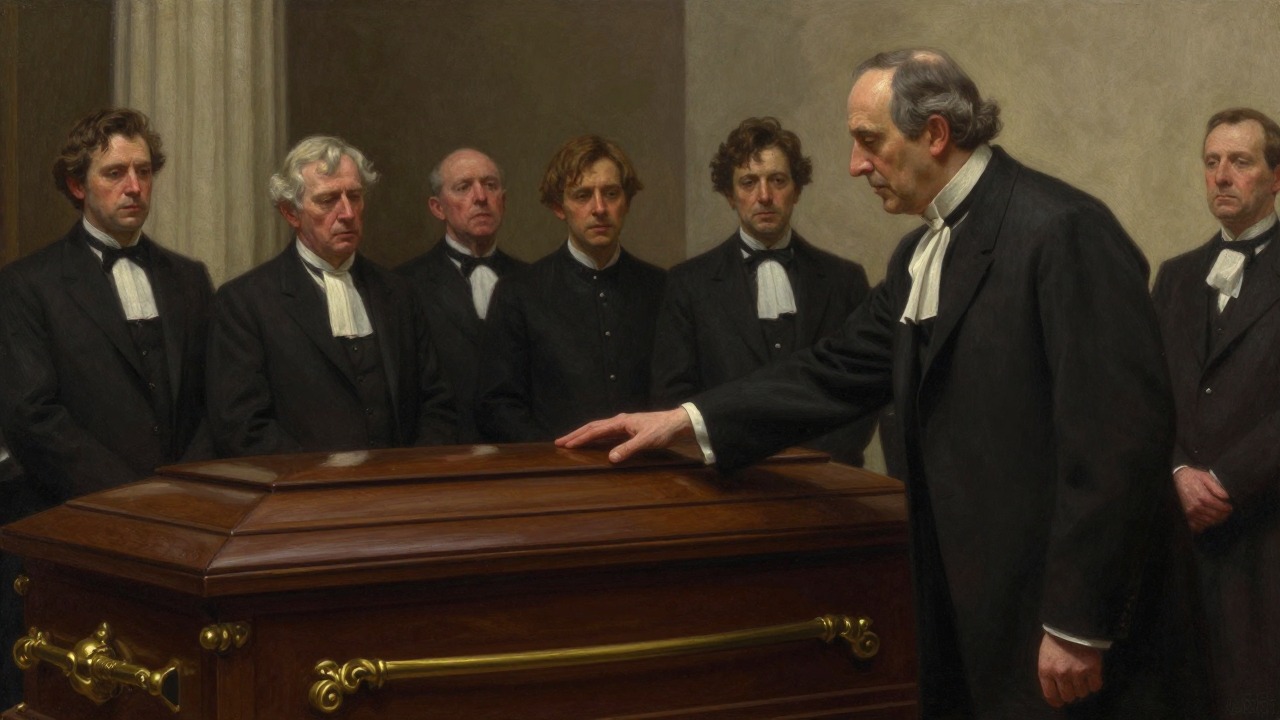
The funeral of the forgotten
A gesture of distinction
Clamence attended the funeral of an old clerk at the Lawyers' Guild, someone no one else noticed. He did it on the eve of a trip, making sure his presence was noticed. He knew it would be favorably commented on.
The vanity of virtue
His action was not out of genuine respect but out of a desire to be seen as virtuous. He was performing goodness. This pattern of public charity, with hidden self-interest, defined his entire moral life. He was a hypocrite, though he didn't realize it at the time.
Giving Alms
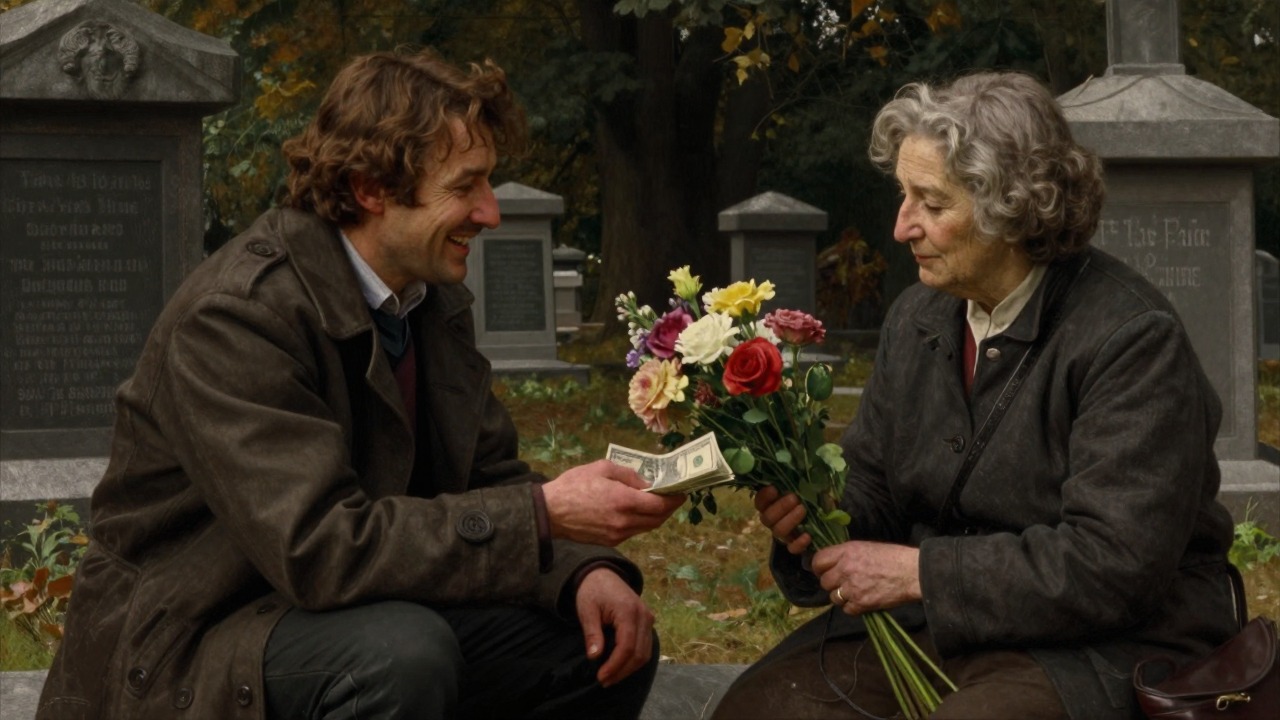
The joy of giving
A secret exultation
Clamence liked to give money to beggars. He felt a surge of joy, which he later admitted was a form of self-love. He even gave to the Salvation Army lass and bought flowers from an old woman who stole from the Montparnasse Cemetery.
The sterility of gifts
He derived pleasure from the act, but also a melancholy at the thought of ingratitude. He wanted to be the master of his liberalities. His generosity was a way to dominate, to feel superior. It was not true charity but a performance of virtue.
The Slip of the Tongue
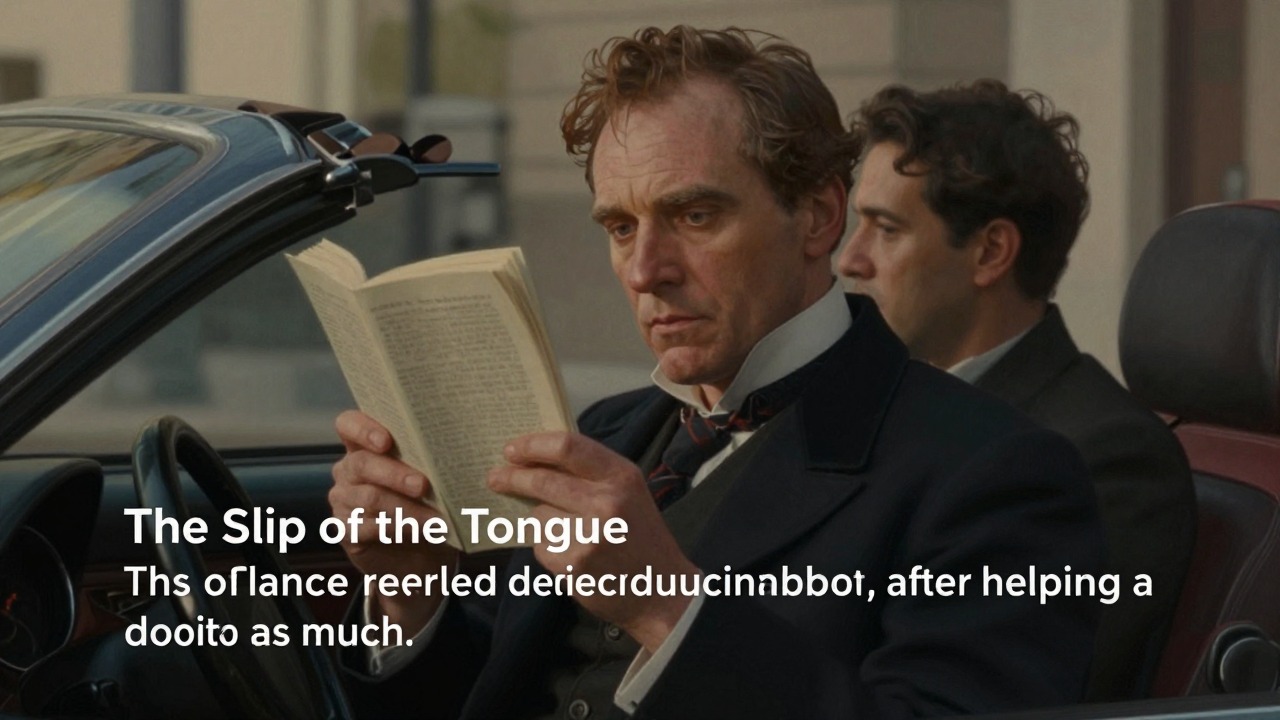
The truth revealed
A careless boast
Clamence recalled an incident when, after helping a motorist, he replied, "No one would have done as much." This slip revealed his deep-seated vanity. He was always boasting, even when trying to be modest.
The double face
He realized that his entire life was a performance. His modesty was a mask for pride. The slip was a crack in the facade. He began to see the fundamental duplicity in himself, which would lead to his invention of the judge-penitent role.
During his Parisian lawyer days, frequently
During his Parisian life, after the lift incident? Actually, before the fall
During his law career, before the fall
Throughout his Parisian life
During his period of self-examination after the laugh
